
Water Heater Installation in the USA
Our technicians isolate the cold water supply and relieve system pressure before removing an old tank. They measure incoming static pressure at the inlet valve and confirm the presence of a thermal expansion tank or relief valve rated for the calculated BTU load to stop heated water from expanding backward into the supply line.
After draining and disconnecting gas or electric lines they examine the existing vent pipe diameter and slope to verify combustion air flow remains unobstructed. Proper draft prevents negative pressure that could pull contaminants through any downstream cross-connection point during the new unit placement. Check isolation valves prior to requesting water heater installation through Hollywood Backflow Certifications and Repairs available throughout the USA.
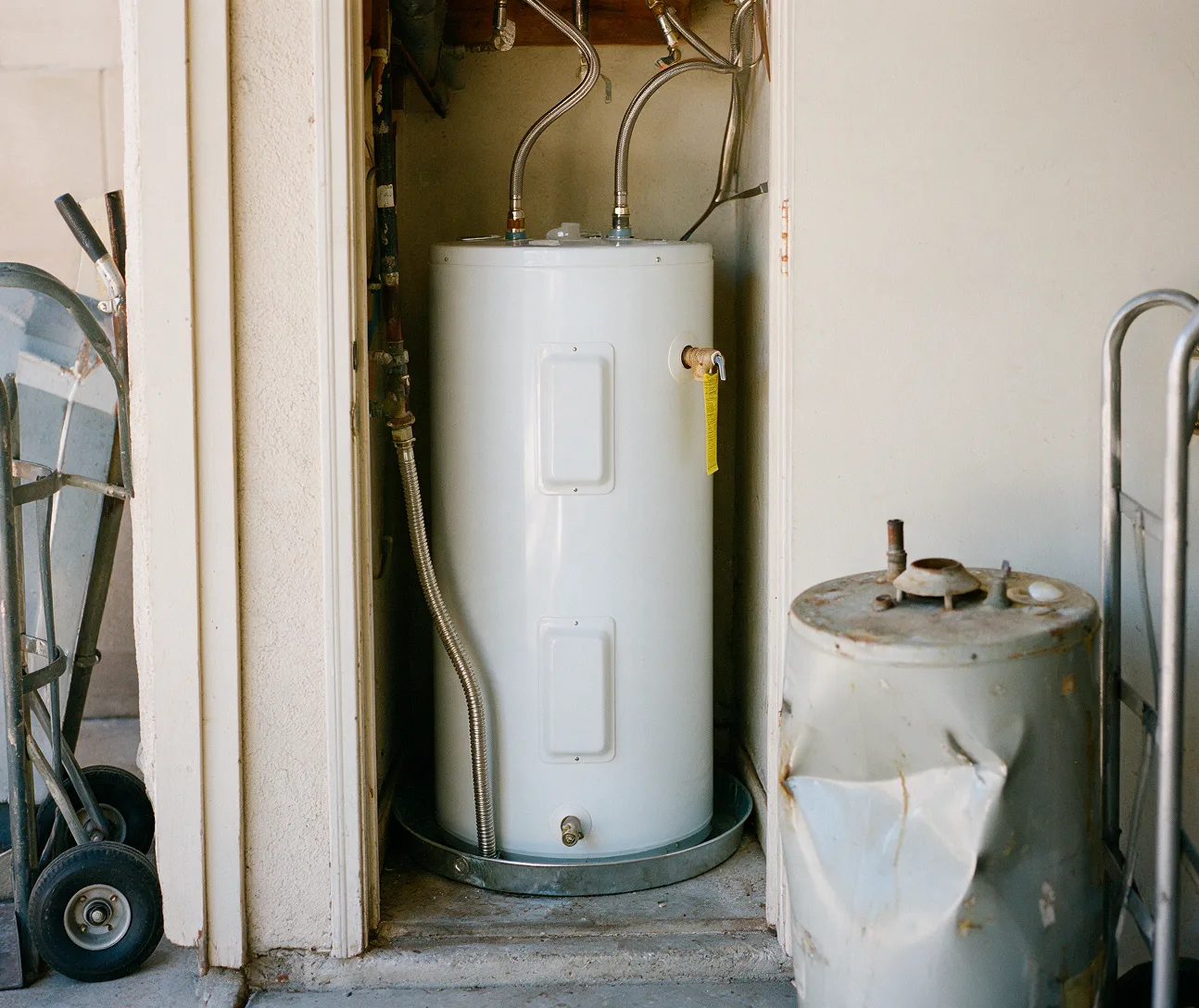
Indicators of Water Heater Failure
- Rumbling or popping sounds from sediment buildup on the tank floor
- Discolored water indicating internal anode rod depletion
- Inconsistent hot water temperature across multiple fixtures
- Visible moisture at the base or pressure relief valve drip tube
- Rising utility costs without corresponding increase in usage
Pre-Installation Pressure and Valve Checks
Technicians record cold inlet pressure with a calibrated gauge while all fixtures remain closed. Readings above 80 psi require installation of a pressure reducing valve on the main line to protect the new tank from over-pressurization and potential rupture disk activation.
They verify the existing shutoff valve operates fully and seats without leakage. A gate or ball valve is replaced if it fails to hold backflow during the drain phase so that installation does not introduce air or debris into downstream piping.
Unit Selection and Connection Materials
Gas models receive a new sediment trap and approved flexible connector rated for the calculated BTU input. Dielectric unions isolate copper lines from steel tank nipples to prevent galvanic corrosion at the joints.
Electric units require torque-checked terminal lugs and correctly sized breakers matched to element amperage. Both types incorporate an expansion tank sized to the water heater capacity so thermal expansion cannot exceed relief valve settings and force water past check valves in the supply.
Post-Install Testing Sequence
After filling they open the highest fixture to purge air while monitoring the temperature and pressure relief valve for seepage. The valve is then exercised to confirm it reseats cleanly and does not allow continuous drip that would indicate debris on the seat.
A final backflow test at the cold inlet checks for reverse flow under simulated expansion conditions. Any measurable return flow triggers immediate adjustment of the expansion tank pre-charge or addition of a secondary check valve to maintain supply separation.
Homeowner Steps Before Arrival
Locate and test the main shutoff valve so it closes without excessive force. Note the age and model number of the current unit and photograph the vent termination point and gas or electrical supply location for reference during the assessment.
Clear a three-foot radius around the water heater for safe access. Avoid attempting to drain the tank or adjust gas valves as improper handling can introduce sediment into lines or create gas leaks that require additional isolation procedures upon arrival.
Water Heater Installation questions
How long does water heater installation take?
Technicians isolate supply lines, remove the old unit, and set the new tank while performing pressure and leak tests. Total time depends on venting modifications and whether a thermal expansion tank or pressure reducing valve must be added to maintain system balance.
What size water heater fits a typical household?
Sizing begins with peak demand calculations based on fixture count and simultaneous use. Technicians measure flow rates at multiple outlets to select first-hour rating and recovery capacity that avoids short cycling and maintains adequate pressure throughout the home.
Do you handle gas line adjustments?
When gas input requirements change they replace undersized piping and install a new sediment trap and shutoff valve. Each joint undergoes soap testing and pressure verification to confirm no leaks exist before the unit is placed into service.
Is venting inspected during installation?
Draft hood alignment, vent pipe slope, and termination clearance receive measurement. Proper venting prevents combustion gases from entering living spaces and stops negative pressure zones that could pull supply water backward through fixture valves.
Schedule Water Heater Installation
Contact our technicians to measure your system pressure and plan a code-compliant water heater installation that protects supply integrity.