Backflow Testing
Technicians attach a test kit to each device measure relief valve opening pressure and verify both checks hold against reverse flow then record results for code compliance.
Plumbing · the USA
Hollywood Backflow Certifications and Repairs performs water heater repair and plumber work across the USA using pressure checks valve diagnostics and isolation procedures to protect supply lines.
Technicians log static and differential pressures at each fixture before any disassembly to identify hidden cross connections.
Valves are closed in upstream order so downstream lines drain without back siphonage into potable branches.
Each backflow device receives a three valve test kit reading that records relief opening point and check tightness.
Our technicians address water heater and plumbing issues by examining relief valves expansion tanks and supply pressures while documenting any cross connection risks at the same time.
Technicians attach a test kit to each device measure relief valve opening pressure and verify both checks hold against reverse flow then record results for code compliance.
Repair begins with isolation of the assembly followed by seat lapping or spring replacement and a full retest to restore the pressure differential that blocks contamination.
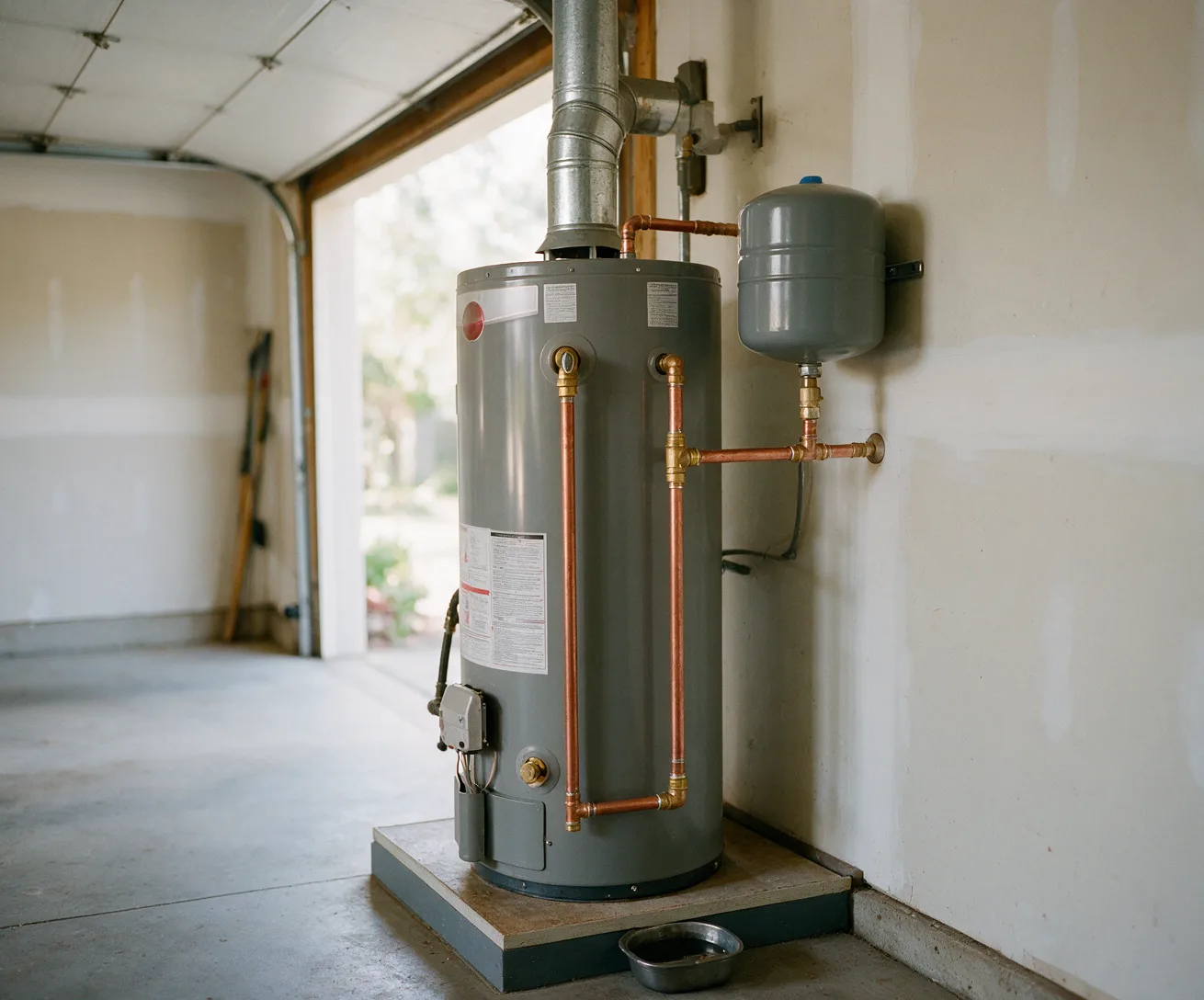
New units are set with proper expansion tank placement temperature pressure relief valve discharge routing and dielectric unions to limit galvanic corrosion at connections.
Cable machines clear blockages while camera inspection confirms line pitch and identifies illegal cross connections that could allow sewer gas into supply lines.
Technicians isolate the affected section pressure test remaining lines and replace fittings with matching materials to restore system integrity without introducing new pressure drops.
Sections are cut out replaced with solvent welded or crimped fittings and then re pressurized while monitoring for micro leaks at every joint.
Excavation or trenchless lining methods restore flow capacity and eliminate infiltration points that could create negative pressure zones pulling groundwater into the system.
Cartridges seats and supply stops are serviced or swapped then each fixture is checked for proper shutoff and backflow protection through the fill valve.
Rumbling sounds from the tank indicate sediment buildup that forces the burner to work harder and raises internal pressure beyond the relief valve setpoint. Leaking around the anode rod or at the cold water inlet often signals corrosion that can allow water to contact electrical components. Homeowners may also notice fluctuating temperatures when the dip tube breaks and allows cold water to mix directly with the hot outlet.
Shut the cold water supply valve at the top of the heater and open a nearby hot faucet to relieve pressure inside the tank. If active leaking reaches electrical connections turn off the breaker or gas supply before any further inspection. Note the temperature setting and whether the relief valve has discharged recently so technicians can compare against normal operating ranges upon arrival.
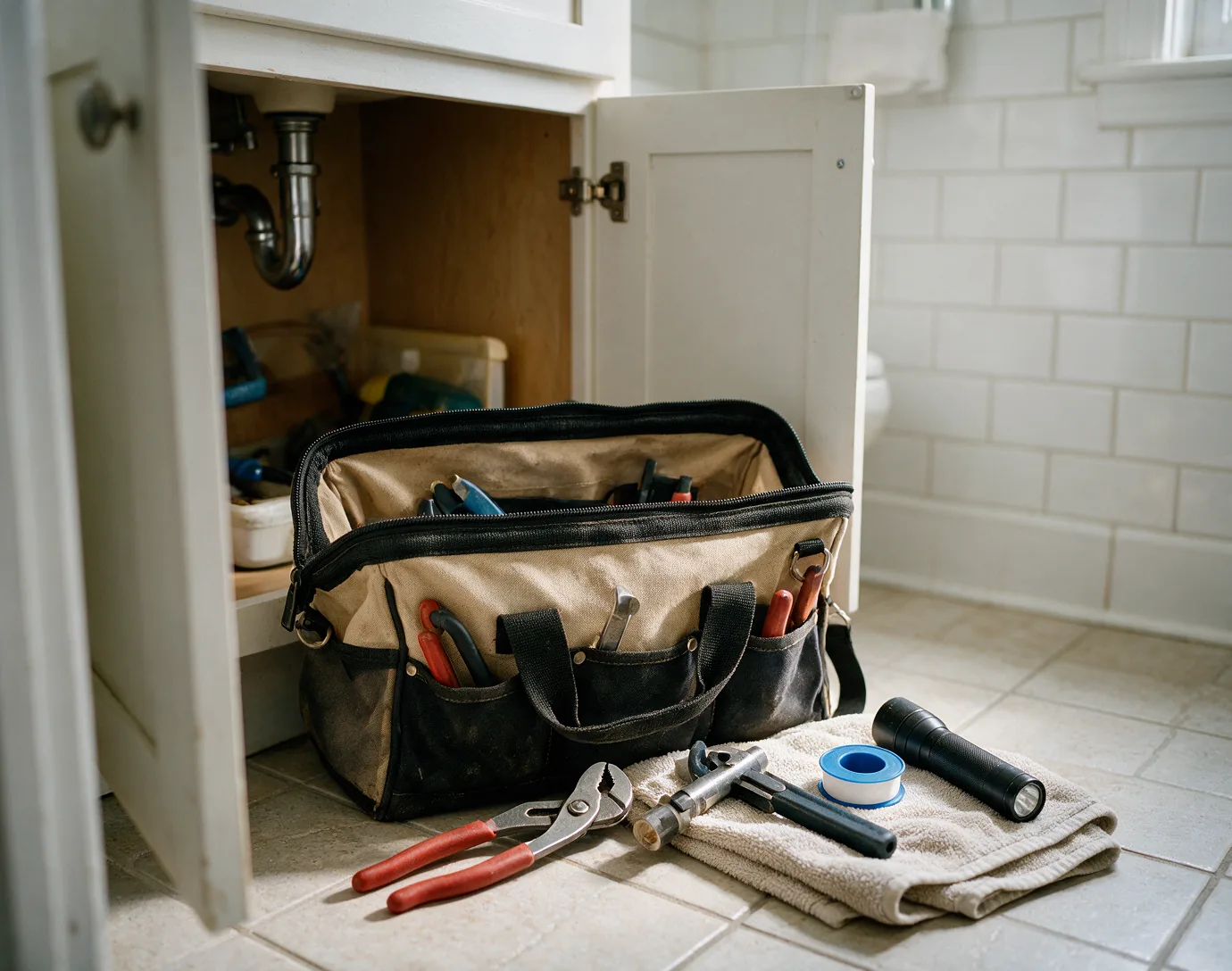
Each visit follows a fixed sequence of isolation pressure measurement and device testing to maintain supply protection regardless of the primary repair requested.
Technicians record incoming pressure at the meter and at the water heater then list every backflow device visible before touching any valves.
Cold water and gas or power are shut down in sequence so the tank can be safely drained without creating negative pressure in adjacent lines.
Relief valves anode rods and heating elements are tested or replaced then the system is refilled and checked for leaks at every new joint.
A three valve test kit confirms each backflow preventer holds its rated pressure differential before the site is returned to normal operation.
Technicians first verify incoming water pressure and check the expansion tank for proper air charge then isolate the heater with shutoff valves. They drain several gallons to inspect sediment levels and test the relief valve by lifting the lever to confirm it reseats without drip. After repairs the system is refilled bled of air and pressure tested at multiple points to ensure no new cross connections were created.
Age of the tank rust on the exterior and repeated relief valve activation are measured against the cost of new components. If the dip tube is intact and the burner assembly shows minimal wear a targeted repair often restores function while preserving the existing venting and gas line configuration. When internal glass lining has failed or multiple leaks appear at different seams replacement prevents ongoing risk of sudden rupture under pressure.
Tank capacity venting type and whether the existing electrical or gas connection must be upgraded determine the scope of work required for water heater repair or replacement. Sediment load pipe material and access to shutoff valves influence labor time for drain cleaning leak repair and pipe section replacement. Cross connection testing performed at the same visit adds measurable steps but prevents separate future calls when multiple devices need retesting after pressure changes.
Galvanized supply lines in older homes frequently restrict flow and create low pressure zones that can draw contaminants when fixtures are opened. Rental properties require documentation of valve locations and relief valve test results so future turnover inspections can confirm no backflow devices were bypassed. Technicians map every shutoff and note pipe material transitions to speed future service calls without repeated wall demolition.
Lift the lever every six months to confirm it opens and reseats without continuous drip. Persistent leaking after the test indicates the valve seat has eroded and requires replacement to maintain the pressure limit that protects the tank.
A kinked flex connector or debris in the shutoff valve can restrict flow. Technicians also check the expansion tank pre charge because an overcharged tank can push the cold water inlet check closed and reduce available volume.
The camera reveals illegal vent connections or cleanout caps that allow sewer gas to enter living spaces. It also confirms proper slope so future blockages from low velocity flow are less likely.
When the valve fails to close fully and the fill valve flapper leaks the bowl water can siphon back into the supply line during a pressure drop. Replacement with a code rated stop and fill valve restores the required air gap.
Sediment insulates the burner or element so the thermostat calls for heat longer raising internal temperature and pressure. Over time this accelerates tank corrosion at the bottom seam where leaks first appear.
Hose bibbs and irrigation tie ins often lack proper vacuum breakers. Adding these devices at each point of use prevents lawn chemicals or pool water from entering the potable system during a main line break.
Contact Hollywood Backflow Certifications and Repairs to schedule valve testing and pressure diagnostics across the USA.