Pipe Repair in the USA
Our technicians approach Pipe Repair by first shutting isolation valves to contain the affected run, then measuring static and residual pressure at multiple points along the line. This data reveals whether corrosion, joint separation, or external damage has created a pressure drop that could allow back-siphonage. After locating the fault they select replacement materials that match the existing pipe schedule and thread or solder connections to restore full flow capacity without introducing new points of leakage.
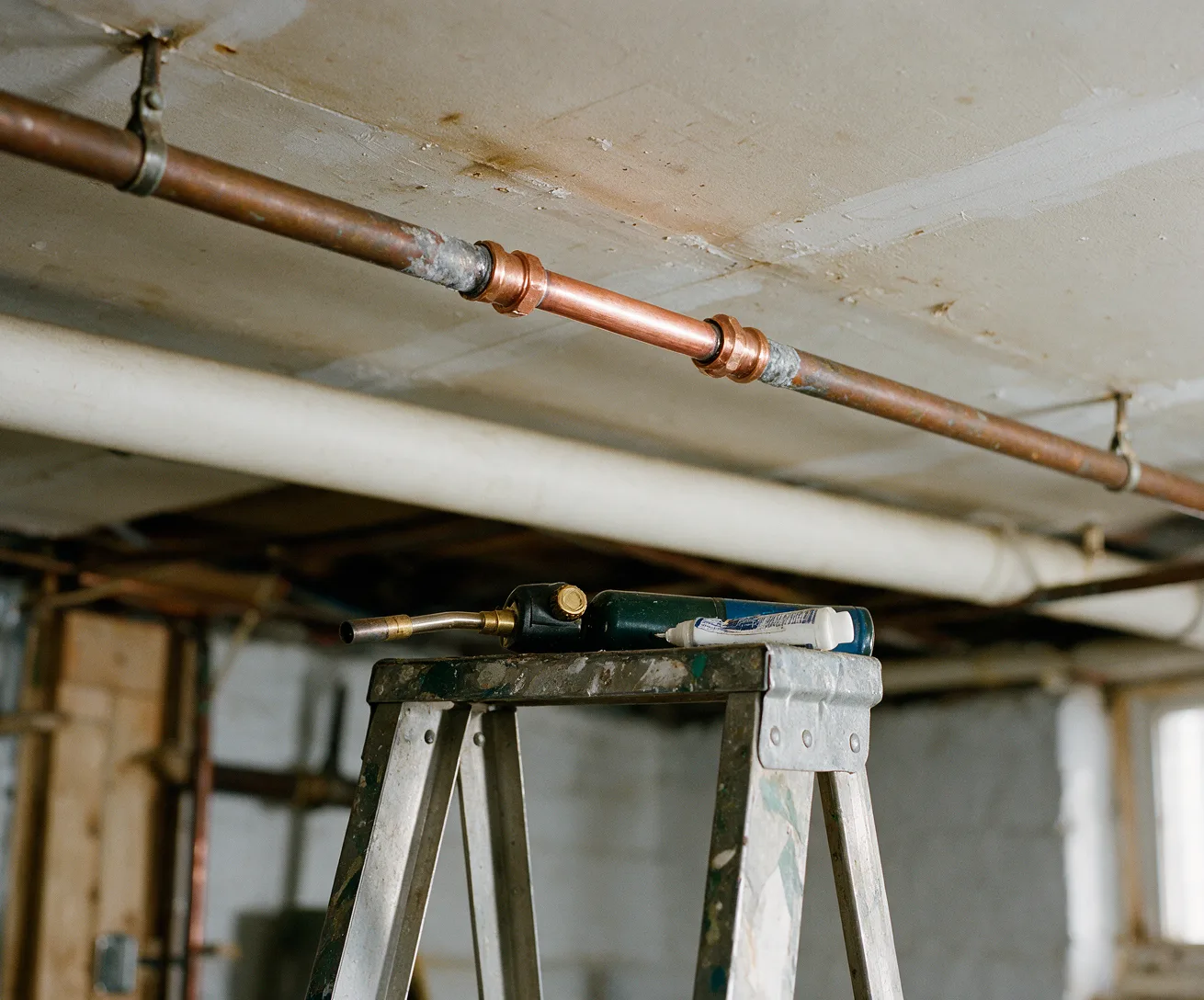
When a section must be cut out, technicians install a new length of copper or PEX with appropriate dielectric unions where dissimilar metals meet. They then re-pressurize the system and perform a visual and gauge check for seepage at every joint. Final steps include confirming that any installed valves maintain directional flow and that no auxiliary connections bypass the main backflow preventer, preserving the separation between potable water and potential contaminants. Hollywood Backflow Certifications and Repairs examines reduced pressure zones as part of pipe repair protecting the distribution network in the USA.
Observable Indications of Pipe Failure
- Sudden reduction in water volume at multiple fixtures on the same branch.
- Discolored water appearing after the system has been idle overnight.
- Audible hissing or dripping inside walls when all outlets are closed.
- Soft or bulging drywall surfaces near horizontal pipe runs.
- Frequent activation of the pressure relief valve on the water heater.
Common Causes of Pipe Damage
Galvanized steel lines installed decades ago develop interior rust tubercles that restrict diameter and create pinhole leaks under normal operating pressure. Thermal expansion in copper tubing can loosen soldered joints when water temperature cycles repeatedly between cold supply and heated delivery. Tree roots seeking moisture enter sewer-adjacent supply lines at any bell-and-spigot connection that has settled or cracked.
External soil movement from freeze-thaw cycles shifts buried pipes, stressing fittings until they separate. High-velocity water carrying abrasive sediment erodes the interior wall at elbows and tees, thinning the material until it bursts. Each of these conditions can lower line pressure and create a pathway for reverse flow if a downstream fixture draws water while the upstream supply is compromised.
Technician Inspection and Measurement Sequence
Technicians begin by recording static pressure at the meter outlet and at the farthest fixture, then open a single outlet to measure residual pressure and flow rate in gallons per minute. They use an ultrasonic thickness gauge on accessible metallic pipe to quantify wall loss and mark areas below minimum acceptable thickness. Dye testing under controlled pressure reveals micro-fractures at joints that visual inspection alone cannot detect.
Every accessible valve is exercised to confirm full closure and absence of stem leakage. Cross-connection checks are performed by isolating the repair zone and observing whether downstream pressure holds without dropping toward zero, indicating no unintended backflow paths. Data from these measurements determines whether a localized sleeve repair or full segment replacement is required to restore original system hydraulics.
Repair and Material Replacement Methods
For pinhole leaks in copper, technicians cut out the damaged length and insert a new section using press-connect or sweat fittings rated for the line pressure. When galvanized pipe shows widespread corrosion, the run is replaced with PEX or copper from the nearest upstream isolation valve to the next downstream fitting, maintaining dielectric separation at transitions. Sewer-adjacent supply lines receive additional backflow protection devices if the repair introduces any new connection point.
After reassembly the zone is pressurized to 1.5 times normal operating pressure for a minimum hold period while every joint is inspected. Flow is then restored incrementally, and pressure readings are repeated to verify that the repaired section matches the performance recorded before work began. All replaced valves receive new packing or cartridges to eliminate internal bypass that could compromise the overall cross-connection control strategy.
Initial Steps for Property Owners
Locate and label the main shutoff and any branch isolation valves before symptoms worsen, noting their positions in case pressure must be relieved quickly. Turn off the water heater or boiler if a leak is near the appliance to prevent additional thermal stress on joints. Record which fixtures lose pressure first; this pattern helps technicians trace the affected branch without exploratory demolition.
Avoid introducing chemical drain cleaners or attempting temporary clamps on pressurized lines, as these actions can enlarge existing defects or create new cross-connections. Keep a list of recent pressure readings from any installed gauges and note the time when discoloration or reduced flow was first observed. These details allow our technicians to focus testing on the most probable failure locations once they arrive.
Pipe Repair questions
How do you decide between sleeve repair and full pipe replacement?
Technicians measure wall thickness and pressure drop across the suspect section. If loss is localized and remaining pipe meets schedule requirements, a press or soldered sleeve restores integrity. Widespread thinning or repeated failures on the same run require full segment replacement to eliminate future pressure loss points that could allow back-siphonage.
What pipe materials are used during a typical repair?
Copper type L or PEX tubing matching the original diameter and pressure rating is selected. Dielectric unions are installed wherever copper meets steel to prevent galvanic corrosion. All new fittings receive the same thread or crimp specification as the existing system so that downstream backflow preventers continue to see correct flow characteristics.
Will pipe repair affect my backflow preventer performance?
Isolation valves are closed before any cutting begins, preventing debris from entering the preventer. After reassembly the entire zone is tested for directional flow and pressure differential across the check valves. Any change in measured pressure drop triggers adjustment or cleaning of the device to maintain its rated protection level against reverse flow.
What should I do if I suspect a leak inside a wall?
Shut off the nearest isolation valve and open a cold-water tap downstream to relieve pressure. Note the fixture order that loses flow; this sequence identifies the branch. Do not attempt to drill or cut the wall until technicians arrive with moisture meters and pressure gauges that locate the exact failure point without unnecessary demolition.
Request Pipe Repair
Contact Hollywood Backflow Certifications and Repairs to schedule Pipe Repair that restores pressure and protects the supply.